
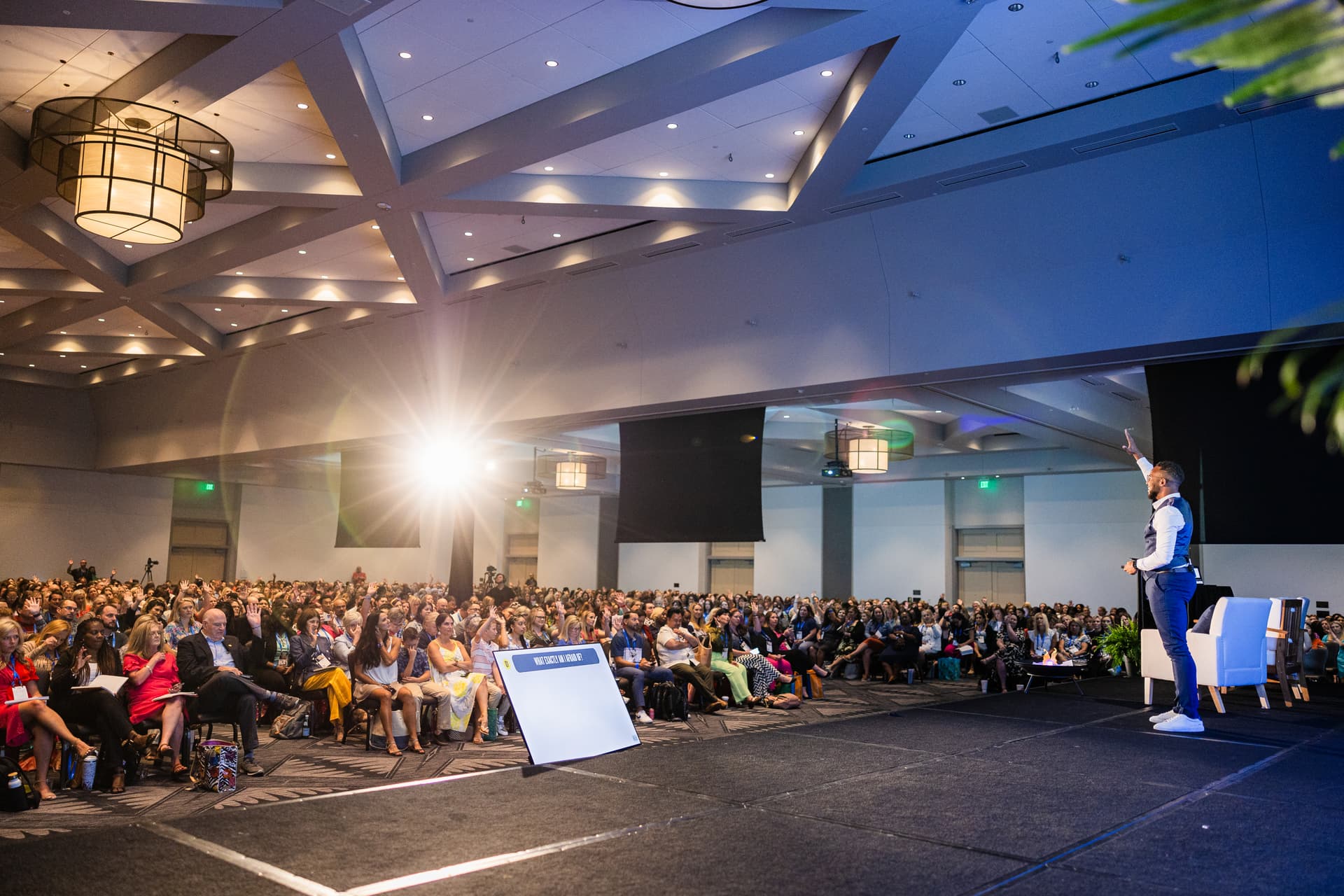
Most companies hire a corporate event photographer, get back a folder of wide room shots and stiff group photos, and quietly never open it again. I've spent a decade trying to fix that. I've now shot 250+ corporate events across Austin: 30-person holiday parties, 500-person tech conferences, nonprofit galas, SXSW panels. Enough to have a strong opinion about what separates coverage a marketing team fights over from coverage nobody touches. The short answer is intentionality. The long answer is this whole piece.
Why do most corporate event photos go unused?
Because they document the room instead of the reason everyone showed up. You've seen the gallery: a handful of wide angles, some blurry candids, a couple of group photos where everyone looks like they're being held at gunpoint.
Those photos check a box. They don't make your company look like somewhere people want to work, and they hand your marketing team nothing worth posting. Useful event photography does the opposite, and the gap between the two is almost never the camera. It's the person holding it.
How do you photograph a corporate event without getting in the way?
You keep your presence small and your coverage wide. That's the whole trick I've been sharpening for ten years. It comes down to shooting candid over posed and working several vantage points, and leaning on the room's own light wherever it holds up.
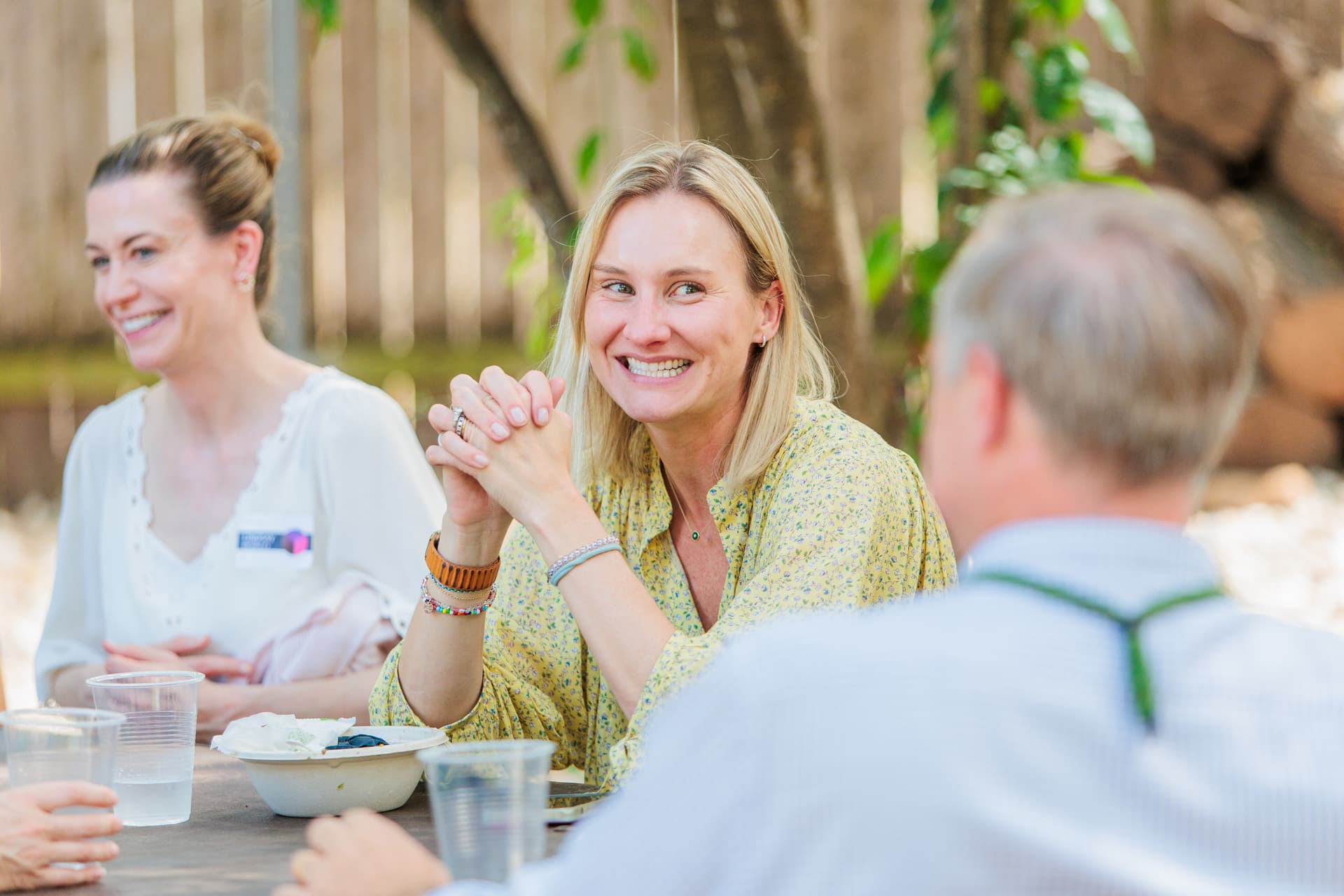
I'm not the photographer who rolls in with a giant flash rig and interrupts your keynote speaker for a posed shot. I'm the one moving quietly through the room, reading the energy the same way I do during the chaos of SXSW week, catching the moments that tell the real story.
Candid over posed
The strongest event photos are the ones people didn't know were being taken. A real laugh mid-conversation. Two people lighting up over the same idea. The speaker's face the second they land their biggest point. Posed group shots have their place, and yes, I'll get those too. But the candids are what your team actually reaches for, because they read as true.
Multiple perspectives
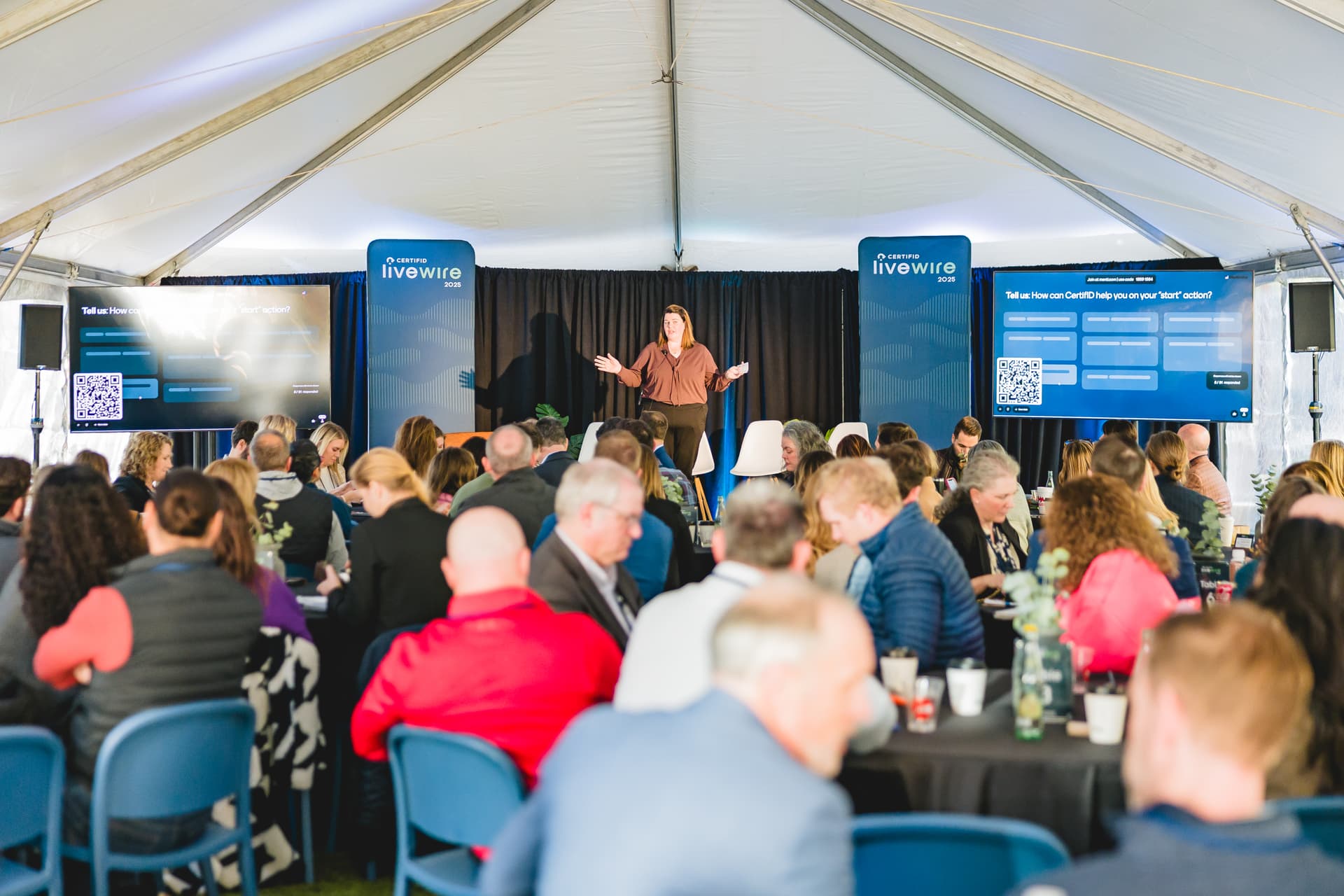
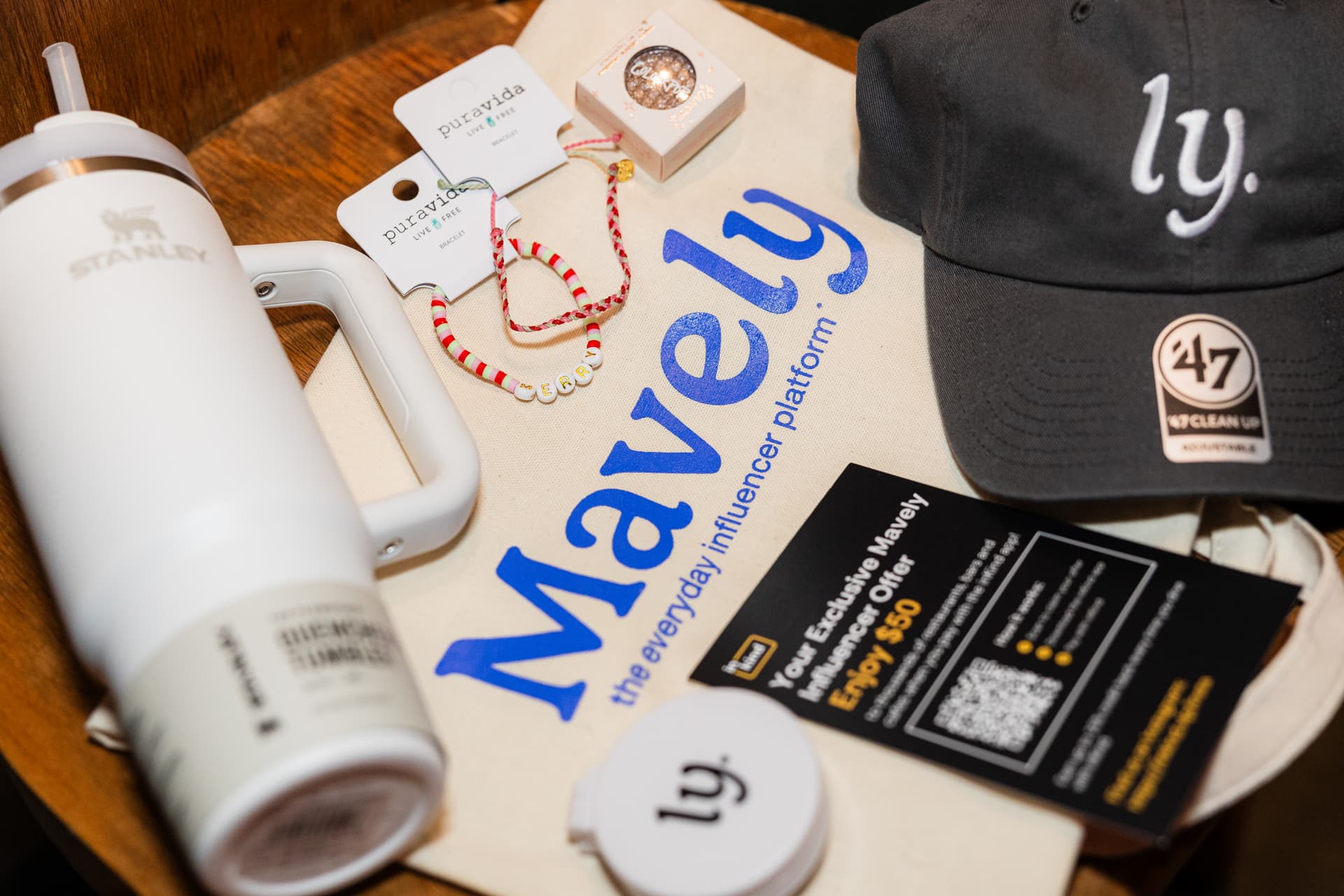
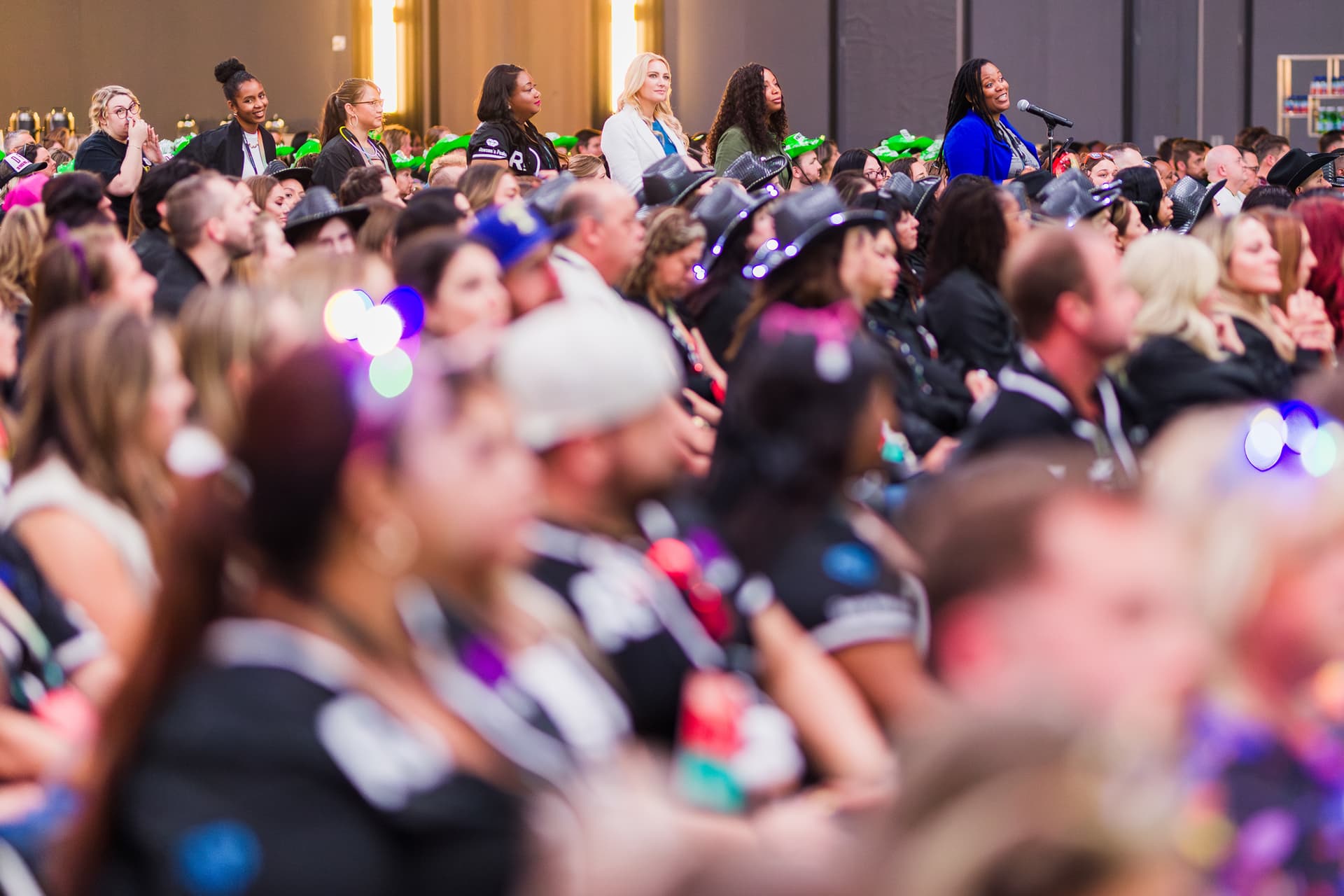
I shoot every event from at least four or five vantage points so you get a full story instead of ten versions of the same frame. That means wide establishing shots for the scale and energy of the room, plus speaker close-ups tight enough to catch expression and body language from the stage. I chase the audience reactions too, the engaged faces and note-takers and nodders. And I cover the details, the branded materials and decor and food and signage, right alongside the candid interactions where the real connections happen between sessions.
Working with venue lighting
Here's something a lot of event photographers won't tell you: I'd rather work with your venue's existing light than fight it. Flash changes how a room feels. When I do need off-camera flash, and dark ballrooms or evening receptions sometimes demand it, I keep it subtle so the photos still look like the night felt.
Naturally bright rooms like The Contemporary Austin or The Austin Convention Center I can often shoot on ambient light alone. For darker spaces like the hotel ballrooms at Hotel Van Zandt or JW Marriott Austin, I blend a little flash with what's already there so the images keep their atmosphere.
Which event photos actually get used?
The candid, human ones. The frames that actually read as on-brand. After delivering galleries for 100+ corporate events, I know exactly which ones live on for months and which sit in a folder forever.
Photos that get used:
- Candid interactions between attendees (LinkedIn, social)
- Speaker moments with an engaged audience (event recaps, press releases)
- Brand-forward detail shots (marketing materials, website content)
- Small-group candids showing genuine connection (culture pages)
- Wide shots of a full, energized room (next year's event promo)
Photos that don't:
- Stiff group shots where everyone looks uncomfortable
- Blurry candids with bad lighting
- Empty rooms and table settings with no people in them
- Frames where a flash washed the mood right out
I hold that list in my head the entire time I'm shooting. Every frame should do a job for your team.
What types of events does a corporate event photographer cover?
Most of my Austin work falls into four buckets, and each one needs a different eye.
Conferences and panels
The challenge is finding energy in a seated format. I work several angles through each session: side stage for speaker expressions, in the crowd for audience reactions, behind the crowd for ambiance. Multi-day conferences have their own playbook; the short version is we build a shot list together so the sessions and speakers that matter most get prioritized.
Networking events and industry mixers
My favorite to shoot, because the energy is unpredictable. I blend into the crowd, move between groups, and catch the handshakes and real conversations. The skill is getting close enough for genuine expressions without inserting myself into the moment.
Holiday parties and company celebrations
Looser, sillier, more fun, and I lean all the way in. Dance floor, toast reactions, the CEO doing karaoke. These end up being the photos employees share the most and the ones that make your hiring page look like somewhere people actually enjoy showing up.
Product launches and brand events
These need everything on-brand. I work with your marketing team beforehand on brand guidelines, key messaging, and the must-have shots, so the frames feel deliberate instead of incidental.
How do you get the most out of your event photographer?
Brief me well and give me access. After a decade of these, here's what I wish every client knew walking in. And before you book anyone at all, it's worth running through the questions I'd ask an event photographer.
Tell me who matters
VIP guests, key stakeholders, the one speaker you can't miss. Flag them in advance and I'll make sure they're covered without getting ambushed by a lens.
Share your run of show
Knowing the timeline lets me be in position for the moments that count. If the CEO's remarks are at 7:15, I'm set at 7:10, not sprinting across the room at 7:16.
Give me access
Strategic vantage points change everything: stage access for speaker close-ups, backstage for behind-the-scenes, an elevated spot for crowd shots. A quick word with your venue coordinator about photographer positioning goes a long way.
Tell me how you'll use the photos
This shapes my whole approach. LinkedIn content means I lean into polished candids. A case study means I chase audience engagement and brand visibility. Internal culture means I chase the fun and the personality.
Plan around turnaround
I deliver standard events in 7 business days and offer 24-hour rush when you need it (additional fee). If you're promoting a multi-day event in real time, tell me up front and we can arrange same-day delivery of select images.
How much does a corporate event photographer cost in Austin?
Corporate event photography in Austin generally runs from about $800 for a two-hour event to $3,500+ for full-day, multi-photographer coverage. Where you land depends on duration, how many shooters you need, and what you want delivered. I break the full rate card down on the pricing page.
What you're actually buying isn't a folder of photos. It's a visual library your team pulls from for months across social, your site, press, and next year's promotion. Divide the cost by every place those images end up and it's one of the cheaper marketing line items you'll approve all year.
Planning coverage for your next corporate event in Austin? Tell me what you've got in the works.
Related: